Blocked sinuses and stuffy noses are among the most common discomforts worldwide. While over-the-counter decongestants are widely used, many people turn to a time-tested home remedy: rinsing the nasal passages with a saline solution. Known as nasal irrigation, this simple practice uses a salt-water mixture to clear mucus, soothe irritated tissues, and restore easier breathing.
What makes nasal irrigation stand out is that it is drug-free, inexpensive, and supported by modern clinical research (King et al., 2015). When done with safe water and correct technique, it can reduce the duration and severity of colds, help manage chronic sinus problems, and support long-term respiratory health.
Historical Roots of Nasal Irrigation
Nasal rinsing is not new. Its origins can be traced back to Ayurveda, the traditional medical system of India, where jala neti—the use of a neti pot with saline water—was recommended for purification of the nasal passages. The practice later spread globally, eventually drawing interest from Western medicine in the 20th century (Rabago et al., 2002).
Today, nasal irrigation has evolved into a clinically endorsed practice, recommended in several ear, nose, and throat (ENT) guidelines as part of routine management for sinus conditions (Park et al., 2022).
The Physiology: Why Irrigation Works
1. Mucus Clearance and Hydration
The nasal lining produces mucus to trap dust, allergens, and microbes. During infection or allergy, mucus thickens and obstructs airflow. Saline irrigation thins mucus, flushes out debris, and restores normal ciliary function—the “sweeping” motion of tiny hairs that clean the nasal passages (Pynnonen et al., 2007).
2. Salt’s Natural Role
Saline solutions draw water into nasal tissues via osmosis. Isotonic saline (0.9%) is gentle and hydrates tissues. Hypertonic saline (2–3%) can reduce swelling and improve mucus clearance but may cause mild burning (Rabago et al., 2002).
3. Inflammation Control
Rinsing physically reduces local inflammatory mediators. In chronic rhinosinusitis, daily irrigation has been shown to improve quality of life scores and reduce the need for additional medication (Pynnonen et al., 2007).
4. Microbiome and Immune Benefits
Emerging research shows that nasal microbiota—the community of microbes in the nose—follows daily rhythms and interacts with irrigation practices. Consistent saline rinses may help maintain microbial balance and reduce pathogen overgrowth (Thaiss et al., 2016).
Evidence from Research
- Acute colds and infections: A Cochrane Review concluded saline irrigation is probably beneficial for acute upper respiratory infections, especially for children, with minimal side effects (King et al., 2015).
- Chronic rhinosinusitis: Large-volume, low-pressure irrigation significantly improved symptoms in randomized controlled trials compared with sprays alone (Pynnonen et al., 2007).
- Long-term use: Daily hypertonic irrigation for 6 months improved sinus symptoms and reduced medication use without major adverse events (Rabago et al., 2002).
- Safety concerns: Serious adverse effects are extremely rare but linked to improper water sources (CDC, 2025; FDA, 2025).
Safe Practice: Water Quality Is Non-Negotiable
Never use untreated tap water. Rare but fatal infections with free-living amoebae have been reported in the U.S. when tap water was used in neti pots (CDC, 2025).
✔️ Acceptable water options:
- Distilled or sterile bottled water.
- Tap water that has been boiled for 1 minute (3 minutes at high altitudes), then cooled.
- Water filtered through an NSF-53 or NSF-58 certified filter.
After preparation, saline solutions should be used within 24 hours to prevent bacterial contamination (FDA, 2025).
Step-by-Step Guide
- Prepare safe water (distilled or boiled and cooled).
- Mix saline solution:
- Isotonic: ½ teaspoon salt + pinch baking soda in 1 cup (240 mL) sterile water.
- Hypertonic: 1 teaspoon salt + pinch baking soda in 1 cup sterile water.
- Fill device (neti pot or squeeze bottle).
- Wash hands thoroughly.
- Position yourself over a sink, mouth slightly open.
- Tilt head 45° and gently pour solution into upper nostril; let it flow out the lower nostril.
- Repeat on the other side.
- Blow nose gently to clear excess.
- Clean device with hot water and let it air-dry.
Who Benefits Most?
- Adults with frequent colds: May recover faster with daily rinses.
- People with chronic sinusitis: Strong evidence supports long-term use.
- Allergy sufferers: Helps flush pollen and allergens out of the nasal cavity.
- Post-sinus surgery patients: Often recommended to prevent crusting and aid healing (under medical supervision).
Limitations and Misconceptions
- Not a cure-all: Nasal irrigation does not “kill viruses” but helps your body clear them more effectively.
- Overuse: Very frequent rinsing may cause dryness; once or twice daily is generally sufficient.
- Children: Effective but should be supervised by a pediatrician for safe technique.
- Cultural myths: Some claim any salt water works; in reality, solution concentration and water safety are critical.
Natural Lifestyle Perspective
Saline irrigation reflects a low-cost, non-pharmaceutical way of respecting the body’s natural defenses. For people of faith, it can be seen as part of wise stewardship of health: combining practical care, rest, warm hydration, and prayer, while avoiding dependence on drugs for every minor symptom.
Quick Comparison
| Approach | Benefits | Limitations |
|---|---|---|
| Large-volume irrigation | Strongest evidence for sinus relief | Requires safe prep |
| Nasal sprays | Easy to use, portable | Less effective for thick mucus |
| Warm broths/soups | Comfort, hydration, mild anti-inflammatory effects (Rennard et al., 2000) | Supportive only |
FAQ
Q1: Can nasal irrigation prevent sinus infections?
It cannot guarantee prevention, but it may lower symptom burden and reduce flare-ups in people prone to sinusitis (Rabago et al., 2002).
Q2: Can I use table salt?
Yes, but choose non-iodized, additive-free salt to avoid irritation. Fine grain dissolves best.
Q3: How long can I store homemade saline?
Up to 24 hours in a clean, covered container. Prepare fresh daily for safety (FDA, 2025).
Q4: Is it safe during pregnancy?
Yes. Saline irrigation is non-medicated and generally safe, but consult your healthcare provider if you have persistent sinus symptoms.
Conclusion
Saline nasal irrigation is a scientifically supported, historically rooted, and practically safe home remedy for sinus congestion. By using sterile water, correct technique, and daily consistency, it provides real relief without the risks of overusing medications. Its role as a bridge between traditional wisdom and modern science makes it one of the most reliable natural remedies for everyday respiratory health.
References
Centers for Disease Control and Prevention. (2024, March 12). Acanthamoeba infection and nasal rinsing, United States. Emerging Infectious Diseases, 30(4). https://doi.org/10.3201/eid3004.231076
Centers for Disease Control and Prevention. (2025, July 16). Use distilled, sterile, or boiled water for sinus rinsing. https://www.cdc.gov/naegleria/prevention/sinus-rinsing.html
Food and Drug Administration. (2025, April 28). Rinsing your sinuses with neti pots—Is it safe? https://www.fda.gov/consumers/consumer-updates/rinsing-your-sinuses-neti-pots-safe
King, D., Mitchell, B., Williams, C. P., & Spurling, G. K. (2015). Saline nasal irrigation for acute upper respiratory tract infections. Cochrane Database of Systematic Reviews, 2015(4), CD006821. https://doi.org/10.1002/14651858.CD006821.pub3
Park, D. Y., et al. (2022). Clinical practice guideline: Nasal irrigation for chronic rhinosinusitis. Clinical and Experimental Otorhinolaryngology, 15(1), 1–43. https://doi.org/10.21053/ceo.2021.01740
Pynnonen, M. A., Mukerji, S. S., Kim, H. M., Adams, M. E., & Terrell, J. E. (2007). Nasal saline for chronic sinonasal symptoms: A randomized controlled trial. Archives of Otolaryngology–Head & Neck Surgery, 133(11), 1115–1120. https://doi.org/10.1001/archotol.133.11.1115
Rabago, D., Zgierska, A., Mundt, M., Barrett, B., Bobula, J., & Maberry, R. (2002). Efficacy of daily hypertonic saline nasal irrigation among patients with sinusitis: A randomized controlled trial. The Journal of Family Practice, 51(12), 1049–1055.
Rennard, B. O., et al. (2000). Chicken soup inhibits neutrophil chemotaxis in vitro. Chest, 118(4), 1150–1157. https://doi.org/10.1378/chest.118.4.1150
Thaiss, C. A., Zeevi, D., Levy, M., Zilberman-Schapira, G., Suez, J., Tengeler, A. C., … Elinav, E. (2016). Transkingdom control of microbiota diurnal oscillations promotes metabolic homeostasis. Cell, 159(3), 514–529. https://doi.org/10.1016/j.cell.2014.09.048
Related products

200Pcs Tea Filter Bags, Disposable Tea Filter Bags for Loose Leaf Tea from Safe Natural Materials
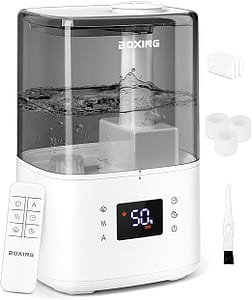
BOXING Warm and Cool Mist Humidifiers for Bedroom Large Room Home

Mouthology Tongue Scraper for Adults (2 Pack)