
The Science of Napping: How a Short Rest Boosts Your Mind and Body
Discover the science-backed health benefits of napping and how a short 20-minute rest can sharpen your mind, lift your mood, and support your long-term heart health.
Discover the science-backed health benefits of napping and how a short 20-minute rest can sharpen your mind, lift your mood, and support your long-term heart health.

Modern life often pushes us into constant motion—working, planning, responding, multitasking. Many people reach the end of the day feeling depleted not because of one… Micro-Restorative Moments: The Small Daily Pauses That Rebuild Your Well-Being

Serving others isn’t just “nice to have”—it’s a practical, science-supported way to build resilience, purpose, and everyday well-being. Below you’ll find a deeper dive into… Service as Self-Care: The Science, the “Dose,” and a 4-Week Plan
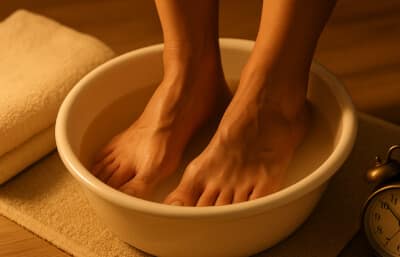
A warm foot soak is more than a cozy comfort—it’s a science-backed way to help your body switch from “go” to “rest.” Brief, targeted warming… Why a warm foot soak works (and why it’s not “just a spa thing”)

Why Evening Routines Matter In today’s overstimulated world, it’s easy to reach the end of the day still wired and tense. Many people try to… 7 Simple Steps to Build a Daily Wind-Down Routine That Calms Your Mind and Improves Sleep
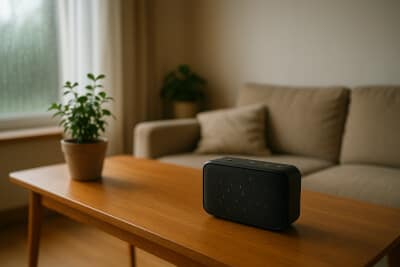
The Quiet Revolution of Sound When we think of self-care, we usually picture candles, warm tea, or cozy blankets. Yet one of the most powerful… Nature Soundscaping: The Science-Backed Way to Reduce Stress and Improve Focus

Humans have always lived by light. For most of history, our evenings were lit only by firelight — candles, oil lamps, or the moon. Today,… Evening Light Hygiene: How Managing Nighttime Light Can Improve Your Sleep, and Daily Energy

Self-care is no longer a luxury; it is a foundation for physical, mental, and emotional health. Yet, one of the greatest challenges many people face… Wellness Stacking: How to Combine Self-Care Habits into Powerful Daily Routines

Understanding the Vagus Nerve: The Body’s Built-In Stress Regulator The vagus nerve—Latin for “wandering”—is the longest cranial nerve in the body, stretching from the brainstem… How Stimulating Your Vagus Nerve Can Naturally Calm Stress and Boost Your Well-Being

For centuries, people have begun their mornings with a warm cup of either coffee or tea. These rituals are more than just habits — they… Morning Coffee vs. Herbal Tea: Which Fits a Healthy Lifestyle Better?
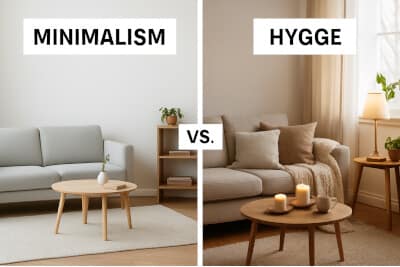
Self-care today is not just about skincare routines or spa days — it has become deeply tied to lifestyle philosophies that influence how we live,… Minimalism vs. Hygge: A Comparative Analysis of Lifestyle and Well-Being

In today’s world of busyness and screens, the simple act of walking — especially in the morning — emerges as a powerful self-care habit. It… The Power of Morning Walks: A Simple Self-Care Habit for Body and Mind

Why Wellness Rooms Are Gaining Attention Our homes used to be places of rest. Today, they are also our offices, gyms, classrooms, and entertainment hubs.… Wellness Rooms: How a Dedicated Self-Care Space Can Improve Your Health
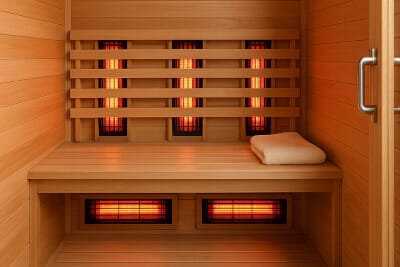
Why People Are Choosing Infrared Saunas For centuries, heat therapy has been used as a natural way to promote health. Traditional saunas — popular in… Infrared Home Sauna: A Science-Backed Way to Relax, Recover, and Restore

Why Comfort Became a Wellness Movement In a world that glorifies productivity and constant stimulation, many people are rediscovering the value of rest and comfort.… Cozymaxxing: The Science of Maximizing Comfort to Reduce Stress and Boost Well-Being

In our fast-paced world, we’re taught to push through tiredness, skip breaks, and “power through” our to-do list. But what if science showed that the… The Power of Microbreaks: How 5-Minute Pauses Can Transform Your Day

While often dismissed as a mere byproduct of entertainment, laughter plays a measurable role in supporting health. Research has demonstrated that laughter can influence hormonal… The Science of Laughter: How Humor Boosts Your Mental and Physical Health

In our fast-paced, technology-driven world, the average adult spends more than 90% of their time indoors (Klepeis et al., 2001). While modern living keeps us… Why Spending Time in Nature Is the Self-Care Habit
Logged! Keep it up.