What Exactly Are Polyphenols?
Polyphenols are a vast group of bioactive compounds naturally found in plants. They are responsible for the vivid colors, flavors, and aromas in fruits, vegetables, tea, coffee, wine, herbs, and spices. More than 8,000 polyphenols have been identified, each with unique roles in protecting health (Del Rio et al., 2013).
They are classified into four main groups:
- Flavonoids: Found in berries, apples, onions, kale, and tea.
- Phenolic acids: Present in coffee, whole grains, and some fruits.
- Polyphenolic amides: Such as capsaicin in chili peppers.
- Other polyphenols: Includes resveratrol in grapes and wine, and curcumin in turmeric.
How Polyphenols Work Inside the Body
Polyphenols are more than antioxidants. They act as cell regulators and chemical messengers, influencing health in multiple ways:
- Antioxidant Defense – They neutralize free radicals, reducing oxidative stress that accelerates aging and chronic disease.
- Anti-Inflammatory Effects – Polyphenols suppress pro-inflammatory pathways, lowering risk of conditions like arthritis, heart disease, and metabolic syndrome (García-Lafuente et al., 2009).
- Gut Microbiome Support – Many polyphenols reach the colon undigested, where they are broken down by gut bacteria into metabolites that strengthen gut barrier function and modulate immunity (Cardona et al., 2013).
- Gene Expression – They regulate the expression of genes linked to metabolism, immunity, and even cancer prevention.
Health Benefits of Polyphenols Backed by Research
1. Cardiovascular Protection
Polyphenols improve endothelial function, reduce blood pressure, and prevent the oxidation of LDL cholesterol—a key step in heart disease (Del Rio et al., 2013).
Example: Diets rich in olive oil polyphenols, like the Mediterranean diet, consistently show reduced cardiovascular risk.
2. Brain and Cognitive Function
Polyphenols, especially flavonoids in berries and cocoa, improve blood flow to the brain, enhance memory, and protect neurons from oxidative stress (Letenneur et al., 2007). Long-term intake is linked to lower risk of cognitive decline and dementia.
3. Immune Support and Anti-Inflammation
Catechins in green tea, curcumin in turmeric, and resveratrol in grapes reduce systemic inflammation and support immune cell activity (González et al., 2011).
4. Blood Sugar and Metabolic Health
Polyphenols regulate carbohydrate metabolism and improve insulin sensitivity, lowering the risk of type 2 diabetes (Hanhineva et al., 2010).
Example: Green tea catechins and cinnamon polyphenols are studied for their effects on blood sugar balance.
5. Longevity and Anti-Aging
Polyphenols activate cellular defense pathways like SIRT1, known as the “longevity gene,” which is linked to slower aging and reduced age-related disease risk (Hubbard & Sinclair, 2014).
Everyday Food Sources of Polyphenols
You don’t need exotic superfoods to benefit from polyphenols. Many common foods are packed with them:
- Berries: Blueberries, blackberries, raspberries, strawberries.
- Dark chocolate & cocoa: Rich in flavanols that support brain and heart health.
- Tea & coffee: Green tea catechins and coffee phenolic acids.
- Olive oil: Hydroxytyrosol and tyrosol, powerful antioxidants.
- Spices & herbs: Turmeric, cloves, rosemary, oregano.
- Red grapes & wine: Resveratrol and anthocyanins.
- Legumes & whole grains: Lentils, beans, oats, brown rice.
Practical Tips to Maximize Polyphenol Intake
- Eat a rainbow of plants daily—different colors = different polyphenols.
- Choose dark chocolate (70% or higher) instead of sugary sweets.
- Replace soda with green tea or black coffee, unsweetened.
- Use extra virgin olive oil as your main oil for cooking and dressing.
- Add spices like turmeric, cinnamon, and oregano to meals.
- Mix berries into breakfast oats or smoothies for a polyphenol boost.
Polyphenols and the Future of Natural Nutrition
Polyphenols are not just antioxidants—they are powerful modulators of human biology. By acting on inflammation, oxidative stress, gut health, and even gene expression, they provide a multi-layered defense system for the body.
Diets rich in polyphenols are consistently linked with lower risk of chronic disease, sharper brain function, stronger immunity, and longer lifespan (further reading: Gut Health: Strategies for Better Digestion, Stronger Immunity, and Mental Wellness).
Incorporating polyphenol-rich foods into your daily meals is one of the most practical, natural, and delicious ways to invest in lifelong health.
References
- Cardona, F., Andrés-Lacueva, C., Tulipani, S., Tinahones, F. J., & Queipo-Ortuño, M. I. (2013). Benefits of polyphenols on gut microbiota and implications in human health. The Journal of Nutritional Biochemistry, 24(8), 1415–1422. https://doi.org/10.1016/j.jnutbio.2013.05.001
- Del Rio, D., Rodriguez-Mateos, A., Spencer, J. P., Tognolini, M., Borges, G., & Crozier, A. (2013). Dietary polyphenolics in human health: Structures, bioavailability, and evidence of protective effects against chronic diseases. Antioxidants & Redox Signaling, 18(14), 1818–1892. https://doi.org/10.1089/ars.2012.4581
- García-Lafuente, A., Guillamón, E., Villares, A., Rostagno, M. A., & Martínez, J. A. (2009). Flavonoids as anti-inflammatory agents: Implications in cancer and cardiovascular disease. Inflammation Research, 58(9), 537–552. https://doi.org/10.1007/s00011-009-0037-3
- González, R., Ballester, I., López-Posadas, R., Suárez, M. D., Zarzuelo, A., Martínez-Augustin, O., & Sánchez de Medina, F. (2011). Effects of flavonoids and other polyphenols on inflammation. Critical Reviews in Food Science and Nutrition, 51(4), 331–362. https://doi.org/10.1080/10408390903584094
- Hanhineva, K., Törrönen, R., Bondia-Pons, I., Pekkinen, J., Kolehmainen, M., Mykkänen, H., & Poutanen, K. (2010). Impact of dietary polyphenols on carbohydrate metabolism. International Journal of Molecular Sciences, 11(4), 1365–1402. https://doi.org/10.3390/ijms11041365
- Hubbard, B. P., & Sinclair, D. A. (2014). Small molecule SIRT1 activators for the treatment of aging and age-related diseases. Trends in Pharmacological Sciences, 35(3), 146–154. https://doi.org/10.1016/j.tips.2013.12.004
- Letenneur, L., Proust-Lima, C., Le Gouge, A., Dartigues, J. F., & Barberger-Gateau, P. (2007). Flavonoid intake and cognitive decline over a 10-year period. American Journal of Epidemiology, 165(12), 1364–1371. https://doi.org/10.1093/aje/kwm036
Related products

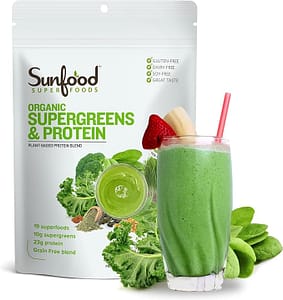

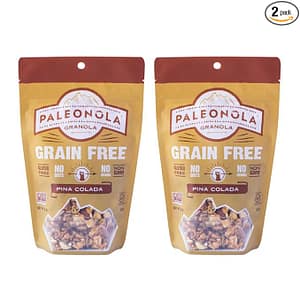
Related posts:
 7 Superfoods That Naturally Boost Your Energy (No Caffeine Needed)
 Chia Seeds: The Tiny Superfood with Big Benefits for Your Body and Brain
 Blueberries: The Antioxidant Superfruit That Protects Your Brain, Heart, and Immune System
 Blue Matcha: The Science and Tradition Behind the Brilliant Blue Drink