From Kitchen Staple to Healing Remedy
Onions (Allium cepa) are among the most common vegetables worldwide, but their role goes beyond cooking. Across cultures, onions have long been used as a home remedy for cough, colds, and respiratory discomfort. Ancient Egyptians saw them as symbols of vitality, and traditional healers in Europe and Asia have prescribed onion preparations for generations to clear congestion.
Today, many households still prepare onion syrups, teas, or steam inhalations during seasonal colds. This traditional practice is now being supported by modern pharmacological research, revealing that the humble onion is a treasure trove of immune-supporting compounds.

Stewardship of Health: Gratitude for Nature’s Remedies
In our modern world, we often rush toward complex solutions, but there is a quiet wisdom in looking toward the simple gifts provided in nature. From a biblical perspective, practicing stewardship of our health includes being grateful for the diverse and healing properties found in whole foods. Onions are a perfect example of a “kitchen pharmacy” — a reminder that we are provided with the tools needed for recovery and strength in the very ingredients we use to nourish our families every day.
Botanical and Chemical Profile: Why It Works
Onions are rich in unique phytochemicals that explain their long-standing medicinal reputation. These compounds work together to support the body’s natural defense mechanisms:
- Quercetin: A powerful flavonoid that acts as an anti-inflammatory and antiviral agent, helping to stabilize respiratory membranes.
- Sulfur Compounds: These provide the onion’s signature pungent aroma and are responsible for its antimicrobial and expectorant effects, helping to break down mucus.
- Vitamin C & Manganese: Essential micronutrients that support immune cell function and help repair damaged tissues.
The Science of Onion Remedies: Respiratory Benefits
Modern science confirms several mechanisms by which onion remedies provide relief. The mucolytic effect of sulfur compounds helps split the bonds in mucus, making it easier for the body to clear the airways. Additionally, Quercetin has been shown in clinical settings to reduce airway inflammation and sensitivity, providing a natural anti-tussive (cough-reducing) effect (Vlase et al., 2013).

How to Prepare Onion Remedies at Home
These remedies are intended to be supportive additions to a healthy lifestyle. Here is how to prepare the most common variations safely:
1. Traditional Onion Syrup
Layer slices of one large onion with raw honey in a glass jar. Let it sit for at least 6–8 hours at room temperature. The honey will draw out the onion’s juices, creating a potent, immune-supporting syrup. Take 1–2 teaspoons as needed to soothe a dry or productive cough.
2. Soothing Onion Tea
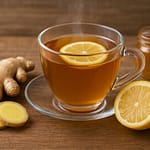
For those feeling the onset of a cold, an onion infusion can provide deep hydration and antioxidants. Boil 2–3 slices of onion in water for 10 minutes, strain, and add fresh lemon and honey. This warm beverage helps ease sore throats and supports systemic resilience.

Safety and Precautions
Onions are safe for most as food, but those with IBS (Irritable Bowel Syndrome) may experience gas or bloating due to the high fructan content. Remember that honey should never be given to infants under one year of age due to the risk of botulism. As with all natural remedies, if symptoms persist for more than a few days, it is important to seek professional guidance.
Conclusion: A Simple Step Toward Recovery
Onions have earned their place in the “kitchen pharmacy” through both tradition and science. By utilizing these simple preparations like syrups and teas, we can support our respiratory health and practice mindful, natural stewardship of our bodies. Next time you feel a seasonal cold approaching, remember that one of your most effective allies might already be waiting in your pantry.
References
Griffiths, G., Trueman, L., Crowther, T., Thomas, B., & Smith, B. (2002). Onions—A global benefit to health. Phytotherapy Research, 16(7), 603–615. https://doi.org/10.1002/ptr.1222
Vlase, L. et al. (2013). Evaluation of antioxidant and antimicrobial activities and phenolic profile for Allium species. Molecules, 18(1), 114–127. https://doi.org/10.3390/molecules18010114
Suleria, H. A. R. et al. (2015). Onion: Nature’s protection against physiological threats. Critical Reviews in Food Science and Nutrition, 55(1), 50–66. https://doi.org/10.1080/10408398.2011.646364