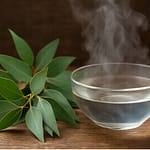
Why Natural Remedies Matter in Mental Health
Depression is one of the most common mental health conditions in the world, affecting over 280 million people globally (World Health Organization, 2023). While therapy and prescription antidepressants are proven and essential treatments, growing interest surrounds natural remedies—both as complementary support and as first steps when access to formal care is limited.
The key question is: which remedies are backed by credible evidence, and which are not?
St. John’s Wort: The Herbal Antidepressant with Strongest Evidence
Among natural remedies, St. John’s Wort (Hypericum perforatum) is the most researched.
- What science says: Meta-analyses show it can be as effective as SSRIs (selective serotonin reuptake inhibitors) for mild to moderate depression, with generally fewer side effects (Ng et al., 2017).
- How it works: Likely influences serotonin, dopamine, and norepinephrine pathways in the brain.
- Caution: It interacts with many medications (birth control, anticoagulants, antidepressants). Professional guidance is essential before use.
Saffron: A Spice with Antidepressant Potential
Saffron (Crocus sativus) is traditionally valued as a culinary spice, but recent studies reveal its impact on mood:
- Clinical evidence: Randomized controlled trials show that 30 mg/day of saffron extract can significantly reduce depressive symptoms, with results comparable to some prescription drugs (Lopresti & Drummond, 2014).
- Mechanism: Likely enhances serotonin availability and reduces oxidative stress.
Saffron’s accessibility as a supplement makes it an emerging option, though more long-term studies are needed.
Vitamin D: Sunshine for the Mind
Vitamin D, known as the “sunshine vitamin,” has strong associations with mental health.
- Evidence: Deficiency in vitamin D is linked to increased risk of depression. Supplementation shows symptom improvement, especially for those who are deficient (Spedding, 2014).
- Practical tip: Safe sun exposure, diet (fatty fish, fortified foods), and supplementation after medical testing are key strategies.
Probiotics and the Gut-Brain Axis
The gut-brain connection is central to modern depression research, and the vagus nerve plays a key role in transmitting signals from gut microbes to the brain.
- What research shows: Certain strains of probiotics—sometimes called psychobiotics—reduce depressive symptoms by balancing microbiota and lowering inflammation (Wallace & Milev, 2021).
- Practical approach: Incorporate fermented foods such as kefir, yogurt, sauerkraut, and kombucha, alongside fiber-rich meals that feed gut bacteria.
Omega-3 Fatty Acids: Essential Fats for Brain Health
Omega-3 fatty acids, particularly EPA (eicosapentaenoic acid), are crucial for brain structure and function.
- Scientific consensus: Meta-analyses show omega-3 supplementation improves symptoms in major depressive disorder, especially when combined with conventional therapy (Sublette et al., 2011).
- Dietary sources: Salmon, sardines, mackerel, chia seeds, and flaxseeds.
Lifestyle-Based Natural Approaches
Beyond supplements, everyday habits act as powerful natural antidepressants:
- Exercise: Regular aerobic activity has been shown to rival antidepressant effects for mild depression (Craft & Perna, 2004).
- Sleep hygiene: Consistent sleep restores mood regulation and brain repair.
- Prayer and gratitude journaling: Faith practices and gratitude exercises foster resilience and emotional balance.
- Social connection: Nurturing relationships reduces loneliness, a key driver of depressive symptoms (Kok & Fredrickson, 2010).
What Natural Remedies Cannot Replace
It’s important to stress: natural remedies are complementary tools, not substitutes for medical treatment.
Seek professional help if you experience:
- Persistent sadness for over two weeks.
- Loss of interest in daily life.
- Suicidal thoughts or hopelessness.
In these cases, therapy and medication are essential—natural remedies should be viewed as supportive strategies, not stand-alone cures.
Key Takeaways
- Natural remedies such as St. John’s Wort, saffron, vitamin D, probiotics, and omega-3s have credible scientific support.
- Lifestyle practices—exercise, restorative sleep, social bonding, and gratitude—are natural antidepressants available to everyone.
- Professional guidance ensures safety, especially due to potential interactions with medications.
By integrating natural approaches with conventional treatment, we open the door to a more holistic, resilient approach to mental well-being.
References
- Craft, L. L., & Perna, F. M. (2004). The benefits of exercise for the clinically depressed. Primary Care Companion to the Journal of Clinical Psychiatry, 6(3), 104–111. https://doi.org/10.4088/pcc.v06n0301
- Kok, B. E., & Fredrickson, B. L. (2010). Upward spirals of the heart: Autonomic flexibility, positive emotions, and social connectedness. Biological Psychology, 85(3), 432–436. https://doi.org/10.1016/j.biopsycho.2010.09.005
- Lopresti, A. L., & Drummond, P. D. (2014). Saffron (Crocus sativus) for depression: A systematic review of clinical studies and examination of underlying antidepressant mechanisms of action. Human Psychopharmacology: Clinical and Experimental, 29(6), 517–527. https://doi.org/10.1002/hup.2434
- Ng, Q. X., Venkatanarayanan, N., & Ho, C. Y. X. (2017). Clinical use of Hypericum perforatum (St John’s wort) in depression: A meta-analysis. Journal of Affective Disorders, 210, 211–221. https://doi.org/10.1016/j.jad.2016.12.048
- Spedding, S. (2014). Vitamin D and depression: A systematic review and meta-analysis comparing studies with and without biological flaws. Nutrients, 6(4), 1501–1518. https://doi.org/10.3390/nu6041501
- Sublette, M. E., Ellis, S. P., Geant, A. L., & Mann, J. J. (2011). Meta-analysis of the effects of eicosapentaenoic acid (EPA) in clinical trials in depression. Journal of Clinical Psychiatry, 72(12), 1577–1584. https://doi.org/10.4088/JCP.10m06634
- Wallace, C. J. K., & Milev, R. (2021). The effects of probiotics on depressive symptoms in humans: A systematic review. Annals of General Psychiatry, 20, 17. https://doi.org/10.1186/s12991-021-00327-0
- World Health Organization. (2023). Depression fact sheet. Retrieved from https://www.who.int/news-room/fact-sheets/detail/depression
Related products

200Pcs Tea Filter Bags, Disposable Tea Filter Bags for Loose Leaf Tea from Safe Natural Materials
BOXING Warm and Cool Mist Humidifiers for Bedroom Large Room Home

Mouthology Tongue Scraper for Adults (2 Pack)