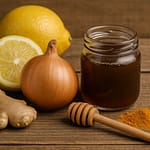
When you feel that scratch in your throat or a sudden wave of fatigue, the first instinct in many cultures is to make a hot cup of ginger tea. From India’s Ayurveda to Chinese medicine, ginger has been valued for centuries as a natural healer.
But this isn’t just tradition. Modern research confirms what our ancestors already knew:
- Anti-inflammatory compounds — Gingerols and shogaols help reduce inflammation, easing sore throats and nasal swelling.
- Antimicrobial action — Ginger may help your body fight off bacteria and viruses naturally.
- Digestive support — Ginger tea not only soothes flu symptoms but also calms nausea, a common side effect of being sick.
- Immune balance — By reducing oxidative stress, ginger supports your body’s natural defenses.
A study published in the Journal of Ethnopharmacology found that fresh ginger showed antiviral activity against human respiratory viruses (Chang et al., 2013).
The Viral Appeal: Why This Remedy Spreads So Fast
There’s a reason posts about ginger tea rack up shares on social media:
- It’s relatable — everyone gets sick sometimes.
- It’s comforting — a warm cup in your hands feels like care in action.
- It’s cheap and accessible — ginger costs little, yet feels powerful.
- It’s customizable — people love sharing their own “secret recipe” twists (extra honey, lemon, turmeric, or cinnamon).
This mix of simplicity + comfort + results makes ginger tea one of the most shareable home remedies online.
How to Make Ginger Tea That Actually Works
Ingredients (basic version):
- 1–2 inches of fresh ginger root, thinly sliced
- 2 cups of water
Optional boosters:
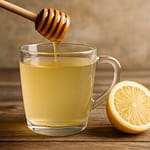
- 1 tbsp honey → natural cough soother
- 1 tbsp lemon juice → adds vitamin C
- ½ tsp turmeric → extra anti-inflammatory power
- A dash of cinnamon → warming and aromatic
Instructions:
- Bring water to a boil.
- Add ginger slices and simmer for 10–12 minutes.
- Strain into a mug.
- Stir in honey and lemon while still warm.
Drink while hot, 2–3 times a day when symptoms appear.
Best Times to Drink It
- At the first sign of illness — scratchy throat, sneezing, or fatigue.
- Before bed — helps you relax and sleep better while sick.
- In flu season — as a daily prevention ritual.
- After cold weather exposure — to warm the body and support immunity.
What Science Says About Ginger
- A 2013 review in the International Journal of Preventive Medicine highlighted ginger’s role in reducing oxidative stress and inflammation — two key factors in immune resilience (Mashhadi et al., 2013).
- Another study found that fresh ginger inhibited the human respiratory syncytial virus (HRSV) in airway cells, showing its potential in fighting respiratory infections (Chang et al., 2013).
While ginger tea isn’t a cure-all, these findings explain why so many people feel better after drinking it.
A Word of Caution
Ginger tea is safe for most people, but:
- Don’t overdo it if you’re on blood-thinning medication.
- Pregnant women should consult a doctor before drinking large amounts.
- Too much ginger at once can cause mild stomach upset in sensitive people.
Final Takeaway
When it comes to colds and flu, sometimes the simplest remedies are the most powerful.
Ginger tea warms your body, soothes your throat, calms nausea, and supports your immune system — all in one cup.
It’s cheap, natural, easy to prepare, and backed by both tradition and modern science (further reading: Turmeric Milk: The Traditional Home Remedy Backed by Modern Science).
So the next time you feel a cold coming on, instead of rushing to the pharmacy, try brewing a steaming cup of ginger tea.
Your body will thank you — and you may just inspire someone else to do the same when they see you share it.
References
Chang, J. S., Wang, K. C., Yeh, C. F., Shieh, D. E., & Chiang, L. C. (2013). Fresh ginger (Zingiber officinale) has anti-viral activity against human respiratory syncytial virus in human respiratory tract cell lines. Journal of Ethnopharmacology, 145(1), 146–151. https://doi.org/10.1016/j.jep.2012.10.043
Mashhadi, N. S., Ghiasvand, R., Askari, G., Hariri, M., Darvishi, L., & Mofid, M. R. (2013). Anti-oxidative and anti-inflammatory effects of ginger in health and physical activity: review of current evidence. International Journal of Preventive Medicine, 4(S1), S36–S42. https://www.ncbi.nlm.nih.gov/pmc/articles/PMC3665023/