Garlic has been called many things over history: “the stinking rose,” “nature’s antibiotic,” and even “the poor man’s penicillin.” Ancient Egyptians gave garlic to pyramid builders for strength. Greek athletes used it before competitions. Traditional Chinese medicine prescribed it for infections and lung health.
Now, in 2025, garlic is trending again on social media as one of the most trusted home remedies. But beyond folklore, what does science actually say? Let’s explore why garlic has endured for centuries and how you can use it today — safely and effectively.
1. Why Garlic Is So Potent
When garlic is chopped, crushed, or chewed, it releases allicin, a sulfur-containing compound responsible for its strong smell and most of its health benefits.
Key effects of garlic’s compounds:
- Antimicrobial action: Allicin damages the cell walls of bacteria, viruses, and fungi (Ankri & Mirelman, 1999).
- Immune stimulation: Garlic enhances white blood cell activity, strengthening the body’s natural defenses (NIH, 2023).
- Cardiovascular protection: Garlic compounds promote blood vessel relaxation, lower cholesterol, and improve circulation.
- Anti-inflammatory and antioxidant: Garlic reduces oxidative stress, protecting cells from damage.
In short: garlic is a natural pharmacy inside a single clove.
2. What Science Confirms
Garlic’s reputation is not just anecdotal — it’s backed by research.
- Immunity & colds: A Cochrane review concluded garlic supplementation reduced the number of colds and shortened recovery time compared to placebo (Lissiman et al., 2014).
- Heart health: A meta-analysis in the Journal of Nutrition showed garlic lowered both blood pressure and cholesterol, reducing cardiovascular risk (Ried et al., 2013).
- Antimicrobial effects: Laboratory studies confirm allicin’s ability to fight bacteria like E. coli and fungi like Candida (Ankri & Mirelman, 1999).
- Chronic disease prevention: Regular garlic intake has been linked to lower risk of certain cancers, though more evidence is needed to confirm causality.
Garlic is not a cure-all, but research shows consistent preventive and supportive benefits.
3. How to Use Garlic as a Remedy at Home
For immunity (cold & flu support):
- Crush 1 clove of raw garlic, let it sit for 10 minutes (activating allicin), and swallow with honey or water.
For colds & congestion:
- Add freshly chopped garlic to chicken soup, broth, or herbal teas with ginger and lemon.
For heart health:
- Use garlic daily in cooking — raw in salads, roasted in vegetables, or sautéed in olive oil.
⚠️ Safety tips:
- Raw garlic is potent and may cause stomach upset. Start with small amounts.
- Never insert garlic directly into ears, nose, or skin wounds (a dangerous viral hack).
- People on blood thinners, or about to undergo surgery, should consult a doctor before consuming large amounts.
4. Beyond Internal Use: Folk and Modern Applications
Garlic has long been used not only internally but also externally:
- Skin health: In folk medicine, crushed garlic was applied to fungal infections. Modern dermatology cautions that raw garlic on the skin can cause burns — diluted extracts are safer.
- Ear infections: Garlic-infused oil drops are used in some traditions, though this should only be done with medical guidance.
- Natural household remedy: Garlic’s antibacterial properties also made it a traditional food preservative and household disinfectant.
These uses highlight garlic’s versatility but also the need for caution and correct preparation.
5. Garlic in Modern Wellness Culture
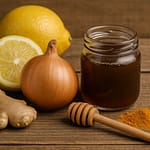
On TikTok and Instagram, garlic is trending as part of “immunity shots” — mixes of raw garlic, lemon, ginger, and honey. While the taste is intense, many swear by its energizing effect.
Wellness communities also highlight fermented garlic in honey, a popular preparation said to enhance both flavor and benefits. While research on this specific form is limited, fermentation may indeed preserve allicin and boost probiotic effects.
Conclusion
Garlic is more than a kitchen staple — it’s a natural ally backed by centuries of tradition and validated by science. From boosting immunity and supporting heart health to fighting infections, its power lies in its unique compounds like allicin.
Used safely and consistently, garlic can be a valuable addition to your daily health routine. The next time you peel a clove, remember: you’re holding one of nature’s oldest and most trusted remedies.
References
Ankri, S., & Mirelman, D. (1999). Antimicrobial properties of allicin from garlic. Microbes and Infection, 1(2), 125–129. https://doi.org/10.1016/S1286-4579(99)80003-3
Lissiman, E., Bhasale, A. L., & Cohen, M. (2014). Garlic for the common cold. Cochrane Database of Systematic Reviews, 2014(11). https://doi.org/10.1002/14651858.CD006206.pub3
National Institutes of Health. (2023). Garlic: Use as medicine. National Center for Complementary and Integrative Health. Retrieved from https://www.nccih.nih.gov
Ried, K., Toben, C., & Fakler, P. (2013). Effect of garlic on serum lipids: An updated meta-analysis. Journal of Nutrition, 143(6), 777–781. https://doi.org/10.3945/jn.112.170837