From Ancient Tradition to Modern Homes
Eucalyptus (Eucalyptus globulus), a tree native to Australia and Tasmania, has long been valued for its medicinal properties. Aboriginal Australians used its leaves in poultices for wounds and as steam inhalations for cough and congestion. By the 19th century, eucalyptus had spread globally, introduced to Europe and the Americas not only as timber but also as a remedy for respiratory conditions.
Today, eucalyptus is one of the most recognized natural ingredients in over-the-counter remedies. Found in cough syrups, chest rubs, lozenges, and inhalation products, it remains a trusted home remedy for easing cough, nasal congestion, and respiratory discomfort. But beyond its traditional role, modern science has examined its pharmacology, mechanisms of action, and clinical benefits.
Botanical and Chemical Profile
The Plant
- Family: Myrtaceae
- Common species for medicine: Eucalyptus globulus (blue gum)
- Habitat: Native to Australia, now cultivated worldwide
The Essential Oil
Eucalyptus leaves contain oil rich in terpenes, flavonoids, and tannins. The most important compound is 1,8-cineole (eucalyptol), often making up 70–90% of the oil. Other active molecules include:
- α-pinene – contributes to anti-inflammatory activity.
- Limonene – antioxidant and antimicrobial.
- Globulol – adds to immune modulation.
The Science of Eucalyptol (1,8-Cineole)
Research has identified eucalyptol as the primary bioactive component. Its effects include:
- Mucolytic – breaks down mucus structure, making it thinner and easier to expel (Juergens, 2014).
- Bronchodilator – relaxes smooth muscle in the airways, improving airflow.
- Anti-inflammatory – reduces cytokine production, easing irritation in the bronchial passages.
- Antimicrobial – inhibits growth of bacteria such as Staphylococcus aureus and Haemophilus influenzae; may affect some respiratory viruses (Sadlon & Lamson, 2010).
- Neurological effect – stimulates TRPM8 receptors in the nasal mucosa, creating a cooling sensation and perception of easier breathing (Eccles, 2003).
Evidence-Based Benefits
1. Cough Relief
A placebo-controlled trial in patients with bronchitis found that cineole significantly reduced cough frequency and improved lung function compared to placebo (Juergens et al., 2003).
2. Nasal Congestion and Sinus Relief
Eucalyptus vapors provide both sensory relief and anti-inflammatory action, improving nasal airflow and reducing sinus pressure (further reading: Warm Compress Therapy for Sinus Pressure: History, Science, and Safe Daily Use).
3. Chronic Conditions (COPD, Asthma)
In patients with COPD, cineole reduced exacerbations and improved quality of life when used alongside standard medication (Worth et al., 2009). Some studies also suggest benefits in asthma, though caution is necessary.
4. Antimicrobial Properties
Eucalyptus oil has demonstrated activity against bacteria, fungi, and viruses in laboratory studies, supporting its role in reducing infection risk (Sadlon & Lamson, 2010).
How to Use Eucalyptus at Home
Safety Note: Essential oils must be diluted. Do not ingest eucalyptus oil directly.
Steam Inhalation
- Add 2–3 drops of eucalyptus oil to a bowl of hot water.
- Cover head with a towel and inhale for 5–10 minutes.
- Helps clear nasal passages and loosen mucus.
Chest Rub
- Mix eucalyptus oil with a carrier oil (such as coconut oil).
- Rub onto chest or back before bed to ease coughing.
Aromatherapy
- Add 3–5 drops of eucalyptus oil to a diffuser.
- Provides continuous, mild inhalation in a room.
Herbal Infusion
- Dried eucalyptus leaves can be steeped in boiling water.
- Steam may be inhaled, or the cooled infusion used as a gargle (not for children).
Safety and Precautions
- Children: Avoid use in children under 2 years; even inhalation may cause respiratory distress.
- Pregnancy: Insufficient safety data; consult a healthcare provider.
- Allergies: Perform a patch test before topical use.
- Ingestion: Only standardized, pharmaceutical-grade cineole capsules are safe when prescribed by a doctor.
Toxicity has been reported in accidental ingestions, especially in children. Symptoms include nausea, dizziness, and in severe cases, seizures.
Eucalyptus vs. Common Remedies
| Remedy | Action | Advantages | Limitations |
|---|---|---|---|
| Eucalyptus oil | Mucolytic, antimicrobial, decongestant | Natural, multipurpose | Requires dilution; safety limits |
| Honey | Soothes throat | Safe, palatable | Not decongestant |
| Ginger tea | Anti-inflammatory | Warm, accessible | Less direct effect on mucus |
| Pharmaceutical decongestants | Shrink nasal vessels | Immediate effect | Risk of rebound congestion |
Eucalyptus provides balanced support — less potent than pharmaceuticals, but more versatile than most natural remedies (you might also like: Natural Remedies for Depression).
Modern Pharmaceutical Applications
- Cineole capsules: Approved in Germany as an adjuvant treatment for bronchitis and COPD.
- Lozenges and syrups: Often combined with menthol and honey.
- Inhalers and sprays: Used in Europe as mild decongestants.
- Mouthwash formulations: Leveraging antibacterial properties.
Risks, Interactions, and Toxicity
- Toxic dose: As little as 2–3 ml of pure oil can be harmful if ingested by children.
- Medication interactions: May enhance effects of certain drugs (e.g., antidiabetics, anticoagulants).
- Asthma patients: Some may experience bronchospasm — caution advised.
Environmental and Sustainability Aspects
Eucalyptus plantations have spread globally due to fast growth and demand for timber and oil. However, monocultures are criticized for:
- High water consumption.
- Reduction of biodiversity.
- Soil acidification in some regions.
Sustainable extraction and diversification of sources are essential for long-term supply.
Future Directions in Research
- Adjunct in antibiotic therapy: Cineole may enhance antibiotic activity against resistant bacteria.
- Nanotechnology delivery: Encapsulation of cineole in nanoparticles for targeted inhalation therapies.
- Combination remedies: Synergy with honey, ginger, and garlic in integrated formulations.
Conclusion
Eucalyptus is more than a traditional cough remedy — it is a plant with well-documented pharmacological effects and centuries of cultural use. Its active compound, 1,8-cineole, has proven benefits as a mucolytic, anti-inflammatory, and antimicrobial agent.
Used safely — through steam inhalation, diluted chest rubs, or standardized preparations — eucalyptus can provide meaningful relief from cough and congestion and may serve as a supportive therapy for chronic respiratory conditions.
As both science and tradition confirm, eucalyptus continues to play a valuable role in home-based care for respiratory health.
References
- Eccles, R. (2003). Menthol and related cooling compounds. Journal of Pharmacy and Pharmacology, 55(6), 733–740. https://doi.org/10.1211/0022357021092
- Juergens, U. R. (2014). Anti-inflammatory properties of the monoterpene 1,8-cineole: Current evidence for co-medication in inflammatory airway diseases. Drug Research, 64(12), 638–646. https://doi.org/10.1055/s-0034-1372609
- Juergens, U. R., Stöber, M., & Vetter, H. (2003). The anti-inflammatory activity of 1,8-cineole in bronchial asthma: A double-blind, placebo-controlled trial. Respiratory Medicine, 97(3), 250–256. https://doi.org/10.1053/rmed.2002.1412
- Sadlon, A. E., & Lamson, D. W. (2010). Immune-modifying and antimicrobial effects of eucalyptus oil and simple inhalation devices. Alternative Medicine Review, 15(1), 33–47. PMID: 20155611
- Worth, H., Schacher, C., & Dethlefsen, U. (2009). Concomitant therapy with cineole reduces exacerbations in COPD: A placebo-controlled double-blind trial. Respiratory Research, 10(1), 69. https://doi.org/10.1186/1465-9921-10-69
Related products

200Pcs Tea Filter Bags, Disposable Tea Filter Bags for Loose Leaf Tea from Safe Natural Materials
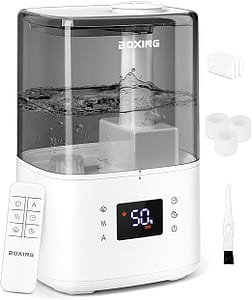
BOXING Warm and Cool Mist Humidifiers for Bedroom Large Room Home

Mouthology Tongue Scraper for Adults (2 Pack)
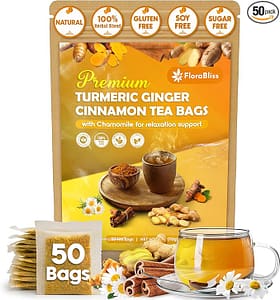
50 Bags Premium Turmeric Ginger Cinnamon Tea with Upgraded Chamomile
Related posts:
 Apple Cider Vinegar: Myths, Benefits, and the Science Behind
 Garlic: The Powerful Home Remedy Backed by Centuries of Tradition and Modern Science
 Turmeric Milk: The Traditional Home Remedy Backed by Modern Science
 Chamomile Tea for Sleep, Digestion, and Immunity: A Gentle Home Remedy Backed by Science