Few home remedies are as iconic—or as comforting—as a steaming bowl of chicken soup during a cold. For centuries, people around the world have turned to it to soothe sore throats, clear sinuses, and restore energy. But does this traditional remedy actually help?
Modern research says that while chicken soup does not cure a viral infection, it can genuinely relieve symptoms, support hydration, and promote a sense of well-being through a mix of physiological, nutritional, and even psychological mechanisms (Rennard et al., 2000; Saketkhoo et al., 1978; Sanu & Eccles, 2008; Mayo Clinic, 2024).
Let’s explore the fascinating blend of history, biochemistry, and evidence behind the world’s most famous “sick-day soup.”
A Remedy With Ancient Roots
Chicken soup’s reputation as a healing food goes back thousands of years.
- Ancient Egypt: Physicians prescribed chicken broth for respiratory ailments as early as 60 CE. The Jewish philosopher and physician Maimonides wrote in the 12th century that chicken soup helped relieve asthma and “morbid humors” (Rosner, 1999).
- China: Traditional Chinese medicine described chicken broth as a warming food that replenishes “qi” and supports recovery after illness (Li, 1596/2023).
- Europe and America: Immigrants carried these culinary traditions westward, and by the 20th century, “Jewish penicillin” had become a nickname for homemade chicken soup—a comforting fusion of culture, nutrition, and care (Marks, 2010).
Across civilizations, warm, savory broth has symbolized nourishment, comfort, and the healing power of family and home.
The Science of Warm Fluids and Symptom Relief
Modern science has taken this folklore into the laboratory—and the results are surprisingly consistent (explore next: Turmeric Milk: The Traditional Home Remedy Backed by Modern Science).
1. Anti-inflammatory potential
A landmark study published in Chest found that homemade chicken soup inhibited the movement of neutrophils, a type of white blood cell involved in inflammation (Rennard et al., 2000). By slowing excessive neutrophil activity, the soup could theoretically reduce the overproduction of mucus and inflammation in the upper respiratory tract.
2. Improved mucus clearance
In an earlier controlled experiment, researchers discovered that hot chicken soup increased nasal mucus velocity, helping the body clear congestion more effectively than either cold or room-temperature liquids (Saketkhoo et al., 1978).
3. Subjective symptom relief
A study in Rhinology compared a hot fruit drink to the same beverage served cold. The hot version didn’t change nasal airflow but improved subjective symptoms—including sore throat, cough, and fatigue—within minutes (Sanu & Eccles, 2008). The warmth, humidity, and aroma likely stimulate sensory pathways that signal comfort and relaxation.
4. Humid air and heat
While reviews on steam inhalation show mixed evidence, some people report symptom relief when breathing warm, humid air. The mechanism involves improved mucus fluidity and airway comfort (Singh & Singh, 2017) (read also: Steam Inhalation: The Natural Remedy That Clears Congestion and Calms Your Airways).
5. Clinical recommendations
Leading institutions like the Centers for Disease Control and Prevention and the Mayo Clinic continue to list warm liquids such as broth, tea, or soup as safe and effective measures to ease congestion and keep the body hydrated during a cold (CDC, 2024; Mayo Clinic, 2024).
How Chicken Soup Works in Your Body
1. Moist heat for the sinuses
Warm vapors from soup temporarily open nasal passages, reduce the viscosity of mucus, and help drain the sinuses (Saketkhoo et al., 1978).
2. Hydration and electrolyte support
Colds often cause dehydration—especially when fever or reduced appetite are present. Broth provides both water and sodium, essential for maintaining fluid balance (Mayo Clinic, 2024).
3. Protein and amino acids
Chicken meat contains cysteine, an amino acid structurally similar to acetylcysteine (a common mucus-thinning medication). It helps loosen mucus and may exert mild antioxidant effects (Ghosh et al., 2022).
4. Micronutrients for immunity
Carrots and celery contribute vitamin A precursors, onions and garlic offer quercetin and allicin—natural plant compounds with anti-inflammatory and antimicrobial potential (Rahman & Lowe, 2017).
5. Gut-brain and comfort connection
Warm meals can stimulate the vagus nerve, activating the parasympathetic (“rest and digest”) system and enhancing the feeling of calm and recovery (Breit et al., 2018).
Nutrition Profile: Why It’s Truly Nourishing
A typical serving of homemade chicken soup (≈ 1½ cups) provides:
- Calories: 150–200
- Protein: 15–20 g
- Fat: 5–8 g (mostly from olive oil or chicken fat)
- Sodium: Variable—usually 400–700 mg if made with low-sodium broth
- Micronutrients: B vitamins, zinc, selenium, potassium, and magnesium
Key active compounds:
- Carnosine: Found in chicken and broth, carnosine is an antioxidant dipeptide that may buffer oxidative stress during viral infections (Hipkiss, 2017).
- Cysteine: Helps thin mucus and may protect cells from oxidative damage.
- Collagen peptides: From slow-cooked bones or skin, may support joint and gut lining integrity.
- Polyphenols: From vegetables and herbs, supporting overall antioxidant defense.
Together, these components create a nutrient-rich, easily digestible food ideal for recovery.
The Psychological and “Placebo” Side of Comfort
Beyond physiology, there’s a powerful psychological dimension.
Warm, savory food stimulates the same neural reward circuits as social connection and safety. Psychologists describe this as “embodied comfort”—physical warmth that translates into emotional warmth (Williams & Bargh, 2008).
Placebo studies show that the expectation of relief itself can trigger measurable improvements in perceived congestion, pain, and fatigue (Benedetti, 2014). When a caregiver prepares soup with empathy, the combination of warmth, nourishment, and love truly supports healing in mind and body.
In short, chicken soup heals more than the throat—it heals the soul, through a blend of biology and belonging.
A Healthier, Science-Inspired Recipe
Makes 6 servings | Ready in 35–40 minutes
Ingredients
- 1 Tbsp olive oil
- 1 medium onion, diced
- 2 carrots, sliced
- 2 celery stalks, sliced
- 3 garlic cloves, crushed
- 1 tsp dried thyme (or 2 tsp fresh)
- 1 bay leaf
- 8 cups low-sodium chicken stock
- 2 cups shredded cooked chicken (preferably skinless)
- Optional: 1 tsp grated fresh ginger or ½ tsp turmeric powder
- Optional: 1 cup spinach or kale leaves
- Black pepper and sea salt to taste
Directions
- In a large pot, sauté onion, carrots, and celery in olive oil for 6–7 minutes.
- Add garlic, thyme, bay leaf, and optional ginger or turmeric; cook 1 minute.
- Pour in stock, add chicken, and bring to a gentle boil. Simmer 20 minutes.
- Add greens in the last 5 minutes for added antioxidants.
- Season lightly—taste before adding salt to control sodium.
Nutritional twist
Adding turmeric and ginger increases anti-inflammatory potential; leafy greens boost folate and magnesium. Avoid heavy cream or excess salt to keep it heart-friendly (Mayo Clinic, 2023).
Safety and Smart Use
- Sodium moderation: Commercial soups can exceed daily sodium limits—look for “low sodium” or prepare at home.
- Food safety: Refrigerate within two hours; reheat to steaming before serving.
- Children: Serve warm, not hot, and avoid honey-based side remedies in infants under one year.
- Medical care: Seek medical attention if fever persists beyond three days, breathing is difficult, or symptoms worsen (CDC, 2024).
Variations from Around the World
- Jewish-style “golden broth” with dill and matzo balls (light yet protein-rich).
- Asian-inspired immune soup with ginger, scallions, shiitake mushrooms, and soy for umami depth.
- Mediterranean version with olive oil, lemon, and oregano for a bright antioxidant boost.
- Latin American “caldo de pollo” featuring cilantro and lime for vitamin C and flavor balance.
All share one healing principle: warm, simple nourishment that restores comfort and energy.
FAQs
Does chicken soup shorten a cold?
It may not reduce duration significantly, but it can relieve symptoms, thin mucus, and improve hydration—key factors in faster recovery (Rennard et al., 2000; Sanu & Eccles, 2008).
Can vegetarians get the same benefits?
A plant-based broth with mushrooms, garlic, miso, and seaweed offers comparable warmth, minerals, and umami satisfaction (Mayo Clinic, 2024).
Why does it make me feel instantly better?
The combination of heat, hydration, salt, and aroma activates sensory nerves and triggers parasympathetic relaxation, giving both physiological and emotional relief (Breit et al., 2018).
Can I freeze it?
Yes—portion and freeze in airtight containers for up to three months. Thaw gently and reheat thoroughly before serving.
Practical Takeaway
Chicken soup is far more than folklore. Scientific evidence supports its ability to relieve congestion, hydrate the body, and even modulate inflammation—while the warmth and aroma soothe the nervous system and promote psychological comfort.
When paired with rest, hydration, and good nutrition, it remains one of the most wholesome, science-supported home remedies for colds and mild flu-like illnesses.
References
Benedetti, F. (2014). Placebo effects: Understanding the mechanisms in health and disease (2nd ed.). Oxford University Press.
Breit, S., Kupferberg, A., Rogler, G., & Hasler, G. (2018). Vagus nerve as modulator of the brain–gut axis in psychiatric and inflammatory disorders. Frontiers in Psychiatry, 9, 44. https://doi.org/10.3389/fpsyt.2018.00044
Centers for Disease Control and Prevention. (2024, April 24). Common cold: Treatment—How to feel better. https://www.cdc.gov/common-cold/treatment/index.html
Ghosh, R., Chakraborty, R., & Pal, M. (2022). Nutritional and therapeutic potential of chicken meat: A review. Food Reviews International, 38(3), 483–507. https://doi.org/10.1080/87559129.2020.1761846
Hipkiss, A. R. (2017). Carnosine and its possible roles in nutrition and health. Advances in Food and Nutrition Research, 82, 33–57. https://doi.org/10.1016/bs.afnr.2016.11.002
Li, S. (1596/2023). Compendium of Materia Medica (Bencao Gangmu). (Modern annotated ed.). Beijing: People’s Medical Publishing House.
Marks, G. (2010). Encyclopedia of Jewish food. Hoboken, NJ: Wiley.
Mayo Clinic. (2023, May 24). Common cold—Diagnosis & treatment. https://www.mayoclinic.org/diseases-conditions/common-cold/diagnosis-treatment/drc-20351611
Mayo Clinic. (2024, July 12). Cold remedies: What works, what doesn’t, what can’t hurt. https://www.mayoclinic.org/diseases-conditions/common-cold/in-depth/cold-remedies/art-20046403
Rahman, K., & Lowe, G. M. (2017). Garlic and cardiovascular disease: A critical review. The Journal of Nutrition, 146(2), 416S–421S. https://doi.org/10.3945/jn.114.208330
Rennard, B. O., Ertl, R. F., Gossman, G. L., Robbins, R. A., & Rennard, S. I. (2000). Chicken soup inhibits neutrophil chemotaxis in vitro. Chest, 118(4), 1150–1157. https://doi.org/10.1378/chest.118.4.1150
Rosner, F. (1999). Medicine in the Mishneh Torah of Maimonides. New York: Yeshiva University Press.
Saketkhoo, K., Januszkiewicz, A., & Sackner, M. A. (1978). Effects of drinking hot water, cold water, and chicken soup on nasal mucus velocity and nasal airflow resistance. Chest, 74(4), 408–410. https://doi.org/10.1378/chest.74.4.408
Sanu, A., & Eccles, R. (2008). The effects of a hot drink on nasal airflow and symptoms of common cold and flu. Rhinology, 46(4), 271–275.
Singh, M., & Singh, M. (2017). Heated, humidified air for the common cold. Cochrane Database of Systematic Reviews, 8, CD001728. https://doi.org/10.1002/14651858.CD001728.pub6
Williams, L. E., & Bargh, J. A. (2008). Experiencing physical warmth promotes interpersonal warmth. Science, 322(5901), 606–607. https://doi.org/10.1126/science.1162548
Related products

200Pcs Tea Filter Bags, Disposable Tea Filter Bags for Loose Leaf Tea from Safe Natural Materials
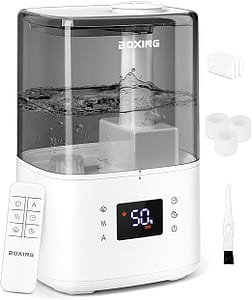
BOXING Warm and Cool Mist Humidifiers for Bedroom Large Room Home

Mouthology Tongue Scraper for Adults (2 Pack)