Why Nutrition Matters for Mental Health
Depression affects over 280 million people worldwide, according to the World Health Organization (WHO, 2023). While it’s commonly approached with therapy, medication, and lifestyle changes, researchers are uncovering a profound connection between diet quality and mental well-being.
This link is explained by several biological mechanisms:
- Neurotransmitter Production: The brain requires specific nutrients to create serotonin, dopamine, and norepinephrine — chemicals that regulate mood, motivation, and emotional balance.
- Neuroinflammation: Diets high in processed foods and low in whole foods can increase inflammation in the brain, which has been associated with depressive symptoms.
- Oxidative Stress: Free radicals can damage brain cells, and antioxidants from a nutrient-rich diet can help protect them.
- Gut-Brain Axis: The trillions of microbes in our intestines produce neurotransmitters and communicate directly with the brain via the vagus nerve. A healthy gut microbiome is linked to better mood regulation (Clapp et al., 2017).
Nutrients and Foods with Proven Benefits for Depression
1. Omega-3 Fatty Acids
Omega-3s — particularly eicosapentaenoic acid (EPA) and docosahexaenoic acid (DHA) — are essential for neuronal structure and function. EPA appears especially effective in reducing depressive symptoms, possibly by modulating inflammatory pathways in the brain.
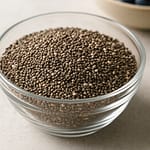
Food sources: Salmon, sardines, mackerel, chia seeds, flaxseeds, walnuts.
Evidence: A meta-analysis found that omega-3 supplementation, particularly with higher EPA content, significantly improved major depressive disorder outcomes (Mocking et al., 2016).
2. B Vitamins (Folate, B6, and B12)
B vitamins are co-factors in the synthesis of neurotransmitters such as serotonin and dopamine. Deficiencies can lead to impaired methylation processes, affecting mood regulation.
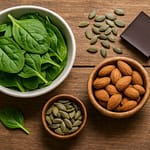
Food sources: Leafy greens, legumes, eggs, fortified cereals, beef liver.
Evidence: Low folate and B12 levels have been consistently linked to increased risk of depression, and supplementation can improve treatment response in deficient individuals (Bender et al., 2017).
3. Polyphenols and Antioxidants
Polyphenols, found in plant-based foods, help reduce oxidative stress and neuroinflammation. They may also enhance brain-derived neurotrophic factor (BDNF), which supports brain plasticity and resilience against depression.
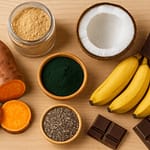
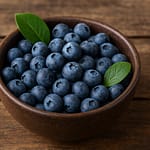
Food sources: Blueberries, dark chocolate (70%+ cacao), green tea, extra virgin olive oil.
Evidence: Higher polyphenol intake is associated with lower rates of depressive symptoms in population studies (Godos et al., 2018).
4. Tryptophan-Rich Foods
Tryptophan is an essential amino acid and a direct precursor to serotonin. Consuming tryptophan alongside complex carbohydrates can improve its uptake in the brain.
Food sources: Turkey, eggs, pumpkin seeds, tofu, oats.
Evidence: Clinical trials suggest that dietary tryptophan can improve mood in susceptible individuals (Silber & Schmitt, 2010).
5. Probiotics and Prebiotics
Gut bacteria influence mental health through production of neurotransmitters like GABA and serotonin, as well as through immune modulation.
Food sources: Yogurt with live cultures, kefir, sauerkraut, kimchi, miso, garlic, onions, bananas.
Evidence: A systematic review found that probiotic supplementation improved depressive symptoms in several randomized controlled trials (Wallace & Milev, 2017) (read also: Colorful Plates, Happier Brains: The Science of Eating the Rainbow for Mental Health).
Diet Patterns That Support Mental Health
Beyond individual nutrients, overall dietary patterns matter. The Mediterranean diet, rich in vegetables, fruits, whole grains, legumes, fish, and olive oil, has been repeatedly associated with lower depression risk. In the SMILES trial, participants with moderate to severe depression who adopted a Mediterranean-style diet showed significant improvement in symptoms compared to a control group receiving social support (Jacka et al., 2017).
Practical Steps to Implement
- Follow the “3-2-1” Brain-Healthy Rule:
- 3 servings of vegetables daily (including leafy greens)
- 2 servings of omega-3-rich foods weekly
- 1 fermented food daily
- Reduce “Mood-Dampening” Foods:
- Limit ultra-processed snacks, sugary beverages, and trans fats, which promote inflammation and oxidative stress.
- Combine Diet with Lifestyle Habits:
- Adequate sleep, daily movement, sunlight exposure, and social connection amplify the benefits of a healthy diet.
The Bottom Line
Nutrition is not a replacement for professional mental health treatment, but it can be a powerful, science-backed tool to complement therapy and medication. Eating for mental well-being means choosing foods that nourish both body and brain, helping to reduce inflammation, improve neurotransmitter production, and support a healthy gut (further reading: Ergothioneine: The Mushroom Nutrient That May Support Healthy Aging).
If you or someone you know struggles with depression, consider working with a registered dietitian or integrative health professional alongside a mental health provider for a personalized plan (you might also like: Colorful Plates, Happier Brains: The Science of Eating the Rainbow for Mental Health).
References
- Bender, A., Hagan, K. E., & Kingston, N. (2017). The association of folate and depression: A meta-analysis. Journal of Psychiatric Research, 95, 9–18. https://doi.org/10.1016/j.jpsychires.2017.07.019
- Clapp, M., Aurora, N., Herrera, L., Bhatia, M., Wilen, E., & Wakefield, S. (2017). Gut microbiota’s effect on mental health: The gut-brain axis. Clin Pract, 7(4), 987. https://doi.org/10.4081/cp.2017.987
- Firth, J., Marx, W., Dash, S., Carney, R., Teasdale, S. B., Solmi, M., … & Sarris, J. (2019). The effects of dietary improvement on symptoms of depression and anxiety: A meta-analysis of randomized controlled trials. Psychosomatic Medicine, 81(3), 265–280. https://doi.org/10.1097/PSY.0000000000000673
- Godos, J., Castellano, S., Ray, S., Grosso, G., & Galvano, F. (2018). Dietary polyphenol intake and depression: Results from the Mediterranean healthy eating, lifestyle and aging (MEAL) study. Molecules, 23(5), 999. https://doi.org/10.3390/molecules23050999
- Jacka, F. N., O’Neil, A., Opie, R., Itsiopoulos, C., Cotton, S., Mohebbi, M., … & Berk, M. (2017). A randomised controlled trial of dietary improvement for adults with major depression (the ‘SMILES’ trial). BMC Medicine, 15(1), 23. https://doi.org/10.1186/s12916-017-0791-y
- Mocking, R. J. T., Harmsen, I., Assies, J., Koeter, M. W. J., Ruhé, H. G., & Schene, A. H. (2016). Meta-analysis and meta-regression of omega-3 polyunsaturated fatty acid supplementation for major depressive disorder. Translational Psychiatry, 6(3), e756. https://doi.org/10.1038/tp.2016.29
- Silber, B. Y., & Schmitt, J. A. (2010). Effects of tryptophan loading on human cognition, mood, and sleep. Neuroscience & Biobehavioral Reviews, 34(3), 387–407. https://doi.org/10.1016/j.neubiorev.2009.08.005
- Wallace, C. J. K., & Milev, R. (2017). The effects of probiotics on depressive symptoms in humans: A systematic review. Annals of General Psychiatry, 16, 14. https://doi.org/10.1186/s12991-017-0138-2