Self-care today is not just about skincare routines or spa days — it has become deeply tied to lifestyle philosophies that influence how we live, consume, and connect. Among these, minimalism and hygge have emerged as two global trends promising a better quality of life.
Though both aim to increase well-being, they approach the goal from opposite directions: minimalism through subtraction (removing excess), and hygge through addition (cultivating warmth and coziness). To fully understand which better supports long-term self-care, we need to compare them through history, psychology, sociology, and practical application.
Historical and Cultural Roots
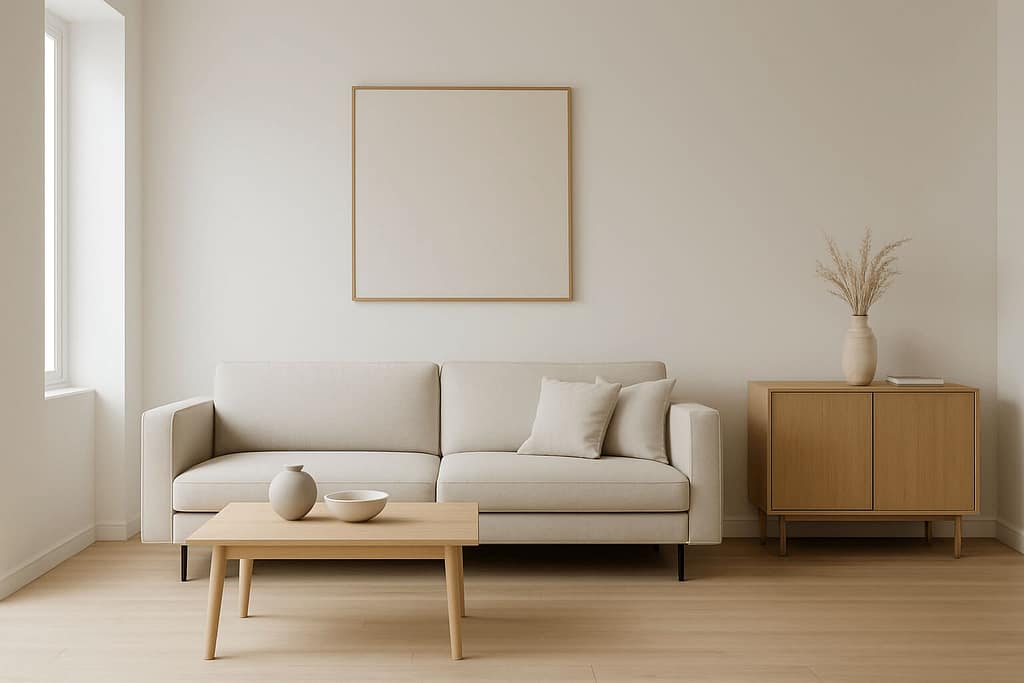
Minimalism: From Philosophy to Modern Lifestyle
- Stoicism (Greece, 3rd century BCE): taught detachment from material possessions as a path to freedom (Robertson, 2019).
- Zen Buddhism (Japan): promoted simplicity and emptiness in both physical spaces and the mind (Harvey, 2013).
- Modern wave: After the 2008 financial crisis, minimalism surged in the U.S. and Europe as a rejection of consumerism and financial stress (Kondo, 2014).
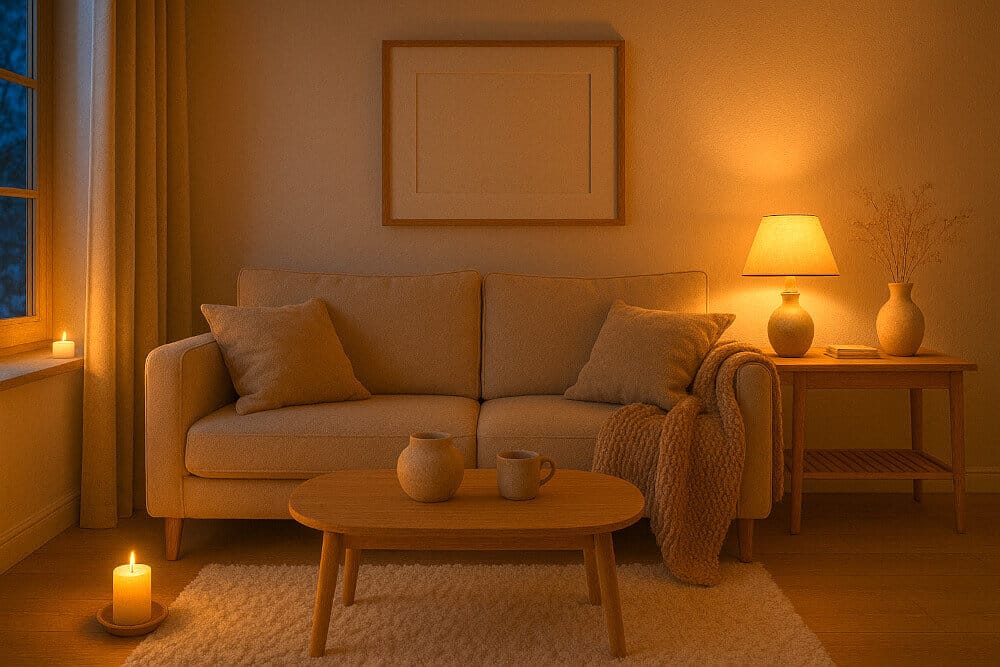
Hygge: A Cultural DNA of Denmark
- 18th century origin: The word comes from Norwegian “hugga,” meaning comfort or consolation.
- 19th century Denmark: Hygge became a cornerstone of Danish identity, tied to long winters, social closeness, and domestic coziness (Wiking, 2017).
- Contemporary global spread: Popularized through books and Instagram aesthetics, hygge is now marketed worldwide, but its true essence lies in everyday connection and presence.
Psychological and Neurological Impacts
Minimalism and the Brain
- Reduced cognitive load: Studies show that clutter increases cortisol and cognitive fatigue (Saxbe & Repetti, 2010). Minimalism reduces “decision fatigue” by limiting unnecessary choices.
- Autonomy and control: By rejecting consumer pressures, minimalism strengthens a sense of self-determination (Kasser, 2017).
Hygge and the Brain
- Activation of oxytocin and dopamine: Hygge’s social bonding and sensory pleasures (candles, warm food) stimulate brain chemicals linked to trust and pleasure (Roth & Lyubomirsky, 2019).
- Stress buffering: Cozy, safe environments signal security to the amygdala, lowering anxiety (Van den Berg et al., 2015).
Comparative Insight: Minimalism primarily lowers stress through external simplification, while hygge elevates well-being by internal emotional nourishment.
Social and Environmental Dimensions
Minimalism as Social Critique
- Pushes back against consumerism, offering a sustainable, eco-friendly lifestyle (Wilson, 2020).
- Encourages time for relationships by freeing individuals from constant work and consumption cycles.
Hygge as Social Glue
- Strengthens community through shared meals and rituals, combating loneliness — a major health risk in Western societies (Holt-Lunstad et al., 2015).
- Promotes intergenerational bonding by involving family in small, cozy traditions.
Comparative Insight: Minimalism is more individualistic, focusing on self-discipline and independence. Hygge is collectivistic, centering on togetherness and belonging.
Long-Term Sustainability
- Minimalism long-term: Sustainable financially and environmentally, but risks becoming isolating or overly rigid if taken to extremes.
- Hygge long-term: Sustainable socially and emotionally, but can lead to consumer-driven interpretations (buying “hygge products”) that dilute its meaning.
Together, they complement each other: minimalism prevents material excess, while hygge prevents emotional emptiness.
Practical Applications in American Self-Care Culture
Minimalism Practices
- Adopt capsule wardrobes to reduce decision-making.
- Declutter digital life (apps, subscriptions).
- Redirect spending to experiences instead of possessions.
Hygge Practices
- Create cozy evening rituals with tea and soft lighting.
- Organize weekly dinners with friends or family.
- Use seasonal changes (fall, winter) to anchor comforting traditions.
Hybrid Model: “Cozy Minimalism”
- Keep spaces uncluttered but add warmth through intentional textures and social rituals.
- Example: a minimalist living room with only essentials, but softened by one blanket and an evening candle ritual.
Comparative Summary
| Dimension | Minimalism | Hygge |
|---|---|---|
| Philosophy | Freedom by removing excess | Joy by cultivating coziness |
| Psychology | Lowers stress via clarity and control | Boosts joy via oxytocin and belonging |
| Social focus | Individual autonomy | Community and togetherness |
| Environment | Eco-friendly, anti-consumerist | Seasonal, can be commercialized |
| Longevity | May feel austere over time | May become consumer-driven |
| Best for | Overwhelmed, stressed, overstimulated | Lonely, disconnected, emotionally drained |
Conclusion
Minimalism and hygge represent two distinct yet complementary responses to modern stress. Minimalism simplifies life to restore clarity and autonomy, while hygge adds warmth and connection to foster belonging. For self-care, the choice depends on personal needs: clarity or coziness, independence or connection.
The most powerful approach may not be choosing one over the other, but blending both into a lifestyle of intentional simplicity filled with cozy meaning.
FAQ: Minimalism vs. Hygge
1. Is minimalism healthier than hygge?
Not necessarily. Minimalism reduces stress by decluttering life, while hygge improves emotional well-being through comfort and connection. The “healthier” option depends on whether your current struggle is overstimulation (minimalism helps) or loneliness (hygge helps).
2. Can you combine minimalism and hygge?
Yes. Many people practice “cozy minimalism,” which blends the clean, calm environment of minimalism with the warmth and social rituals of hygge.
3. Is hygge only for winter?
Although hygge is often associated with candles and blankets during cold months, it can be practiced year-round by creating cozy, mindful rituals like summer picnics or sunset walks.
4. Is minimalism just about decluttering?
Decluttering is a first step, but minimalism is more about intentional living — reducing distractions, simplifying commitments, and focusing on what truly matters.
5. Which lifestyle is more eco-friendly?
Minimalism is generally more eco-friendly because it reduces consumption. Hygge can also support sustainability if practiced through shared meals and slow living, but when commercialized, it may encourage unnecessary purchases.
References
Harvey, P. (2013). An introduction to Buddhism: Teachings, history and practices (2nd ed.). Cambridge University Press.
Holt-Lunstad, J., Smith, T. B., Baker, M., Harris, T., & Stephenson, D. (2015). Loneliness and social isolation as risk factors for mortality: A meta-analytic review. Perspectives on Psychological Science, 10(2), 227–237. https://doi.org/10.1177/1745691614568352
Kasser, T. (2017). Living both well and sustainably: A review of the literature, with some reflections on future research, interventions and policy. Philosophical Transactions of the Royal Society A: Mathematical, Physical and Engineering Sciences, 375(2095), 20160369. https://doi.org/10.1098/rsta.2016.0369
Kondo, M. (2014). The life-changing magic of tidying up: The Japanese art of decluttering and organizing. Ten Speed Press.
Millburn, J., & Nicodemus, R. (2016). Minimalism: Live a meaningful life. Asymmetrical Press.
Robertson, D. (2019). How to think like a Roman emperor: The Stoic philosophy of Marcus Aurelius. St. Martin’s Press.
Roth, A., & Lyubomirsky, S. (2019). Enlisting the wisdom of the inner crowd: How rituals can foster well-being. Personality and Social Psychology Bulletin, 45(4), 513–528. https://doi.org/10.1177/0146167218780695
Saxbe, D. E., & Repetti, R. L. (2010). No place like home: Home tours correlate with daily patterns of mood and cortisol. Personality and Social Psychology Bulletin, 36(1), 71–81. https://doi.org/10.1177/0146167209352864
Van den Berg, A. E., Koole, S. L., & Van der Wulp, N. Y. (2015). Environmental preference and restoration: (How) are they related? Journal of Environmental Psychology, 43, 123–132. https://doi.org/10.1016/j.jenvp.2015.05.005
Wiking, M. (2017). The little book of hygge: Danish secrets to happy living. HarperCollins.
Wilson, A. (2020). Minimalism, privilege, and choice: Critical perspectives on simplicity. Sociological Inquiry, 90(4), 649–669. https://doi.org/10.1111/soin.12345
World Happiness Report. (2023). Sustainable well-being and happiness. Sustainable Development Solutions Network. https://worldhappiness.report